
What is Veganism?
Veganism is a lifestyle choice that involves abstaining from consuming animal products. This includes not only meat but also dairy, eggs, and other animal-derived ingredients. Vegans also avoid products tested on animals and items made from animal skins, such as leather and wool.
Why Choose Veganism?
Health Benefits
One of the biggest reasons people choose a vegan diet is for its health benefits. Studies have shown that a plant-based diet can lower the risk of heart disease, high blood pressure, type 2 diabetes, and certain cancers. Vegans often consume more fruits, vegetables, whole grains, and nuts, which are packed with essential nutrients and fiber.
Environmental Impact
Animal agriculture is a leading cause of deforestation, water pollution, and greenhouse gas emissions. By adopting a vegan lifestyle, you can significantly reduce your carbon footprint and help preserve natural resources. A plant-based diet requires less water and land and produces fewer greenhouse gases compared to a diet that includes animal products.
Animal Welfare
For many, the primary motivation for going vegan is compassion for animals. Factory farming practices are often cruel, with animals kept in cramped, unhygienic conditions and subjected to inhumane treatment. By choosing veganism, you take a stand against animal cruelty and promote a more ethical way of living.
Getting Started with Veganism
Transitioning to a Vegan Diet
Transitioning to a vegan diet can be easier than you think. Start by incorporating more plant-based meals into your diet. You can begin with simple swaps, like using almond milk instead of cow’s milk or opting for plant-based burgers over meat ones.
Meal Planning
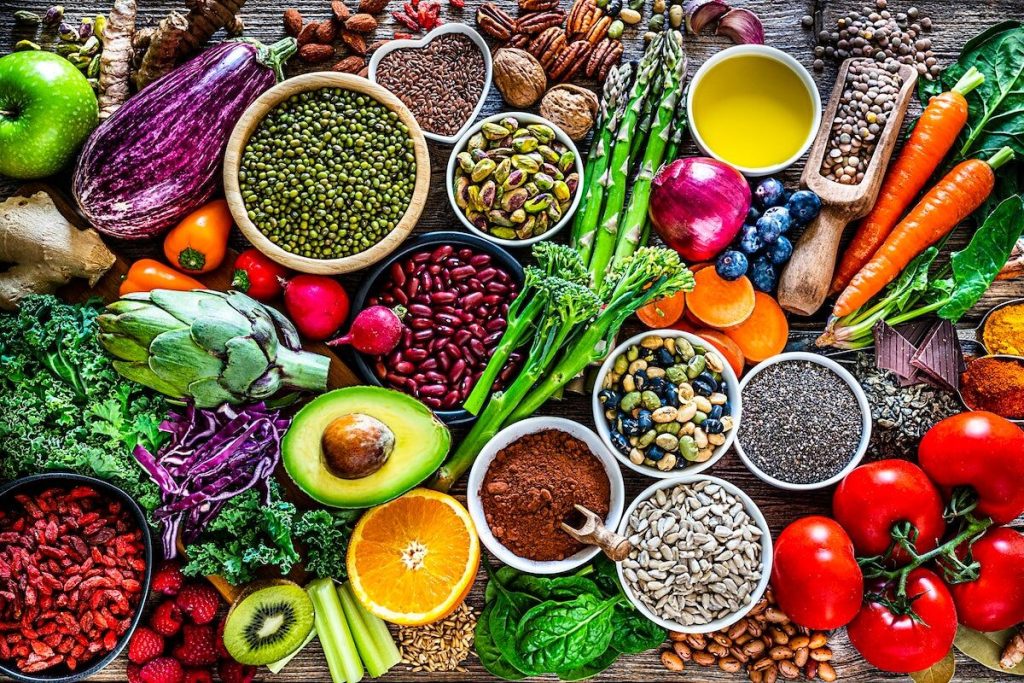
Meal planning is key to maintaining a balanced vegan diet. Make sure to include a variety of fruits, vegetables, whole grains, legumes, nuts, and seeds. This will ensure you get all the necessary nutrients, including protein, iron, calcium, and vitamin B12. There are many resources and recipes available online to help you plan delicious and nutritious vegan meals.

Vegan Products
Nowadays, there are countless vegan products available in supermarkets, from plant-based meats to dairy-free cheeses. Look for labels that certify products as vegan. Additionally, many restaurants offer vegan options, making it easier to dine out while sticking to your diet.
Common Myths About Veganism
Myth 1: Vegans Don’t Get Enough Protein
One of the most common myths is that vegans can’t get enough protein. In reality, many plant-based foods are rich in protein, such as beans, lentils, tofu, tempeh, and quinoa. As long as you eat a variety of protein-rich foods, you can easily meet your protein needs.
Myth 2: Veganism is Expensive
While some specialty vegan products can be pricey, many staple vegan foods are actually very affordable. Items like beans, rice, pasta, and seasonal vegetables are budget friendly. Cooking at home and buying in bulk can further reduce costs.
Myth 3: Vegan Diets are Nutritionally Incomplete
A well-planned vegan diet can provide all the essential nutrients your body needs. It’s important to pay attention to certain nutrients like vitamin B12, which may need to be supplemented. Many plant-based milks and cereals are fortified with B12, making it easier to get enough of this important vitamin.
In Conclusion Embracing veganism is a powerful way to improve your health, protect the environment, and stand up for animal rights. Whether you choose to go vegan overnight or gradually transition, every step you take towards a plant-based lifestyle makes a difference. Start exploring the world of veganism today and discover the benefits for yourself!